Bidenomics was working. Crisis began when Trump ended it
The Democrats should say so.

The new Consumer Price Index was released. You will never guess what it showed – the biggest increase in five months, the Times said. Prices were 3.7 percent higher than last year.
Why? You know.
"In September, the primary driver of price pressures was energy prices, which on the whole rose 5.2 percent for the month, or 20.4 percent over the past year," according to the Times.
The average price of gas has increased by 45 to 46 percent since February 28, the day Donald Trump attacked Iran, according to the Iran War Energy Cost Tracker, an accountability project by the Watson School of International and Public Affairs at Brown University.
Diesel has shot up by 70 percent.
[Leave a tip in the tip jar! Say $10? THANKS!]
GasBuddy's Patrick De Haan put today's news this way: "September's national average price of gasoline was $4.332 per gallon, up 6.8 percent from August's $4.056 per gallon level, the second highest monthly average in 2026. It was the most expensive September ever."
His italics, not mine.
But there's more going on than the war's effect on energy prices.
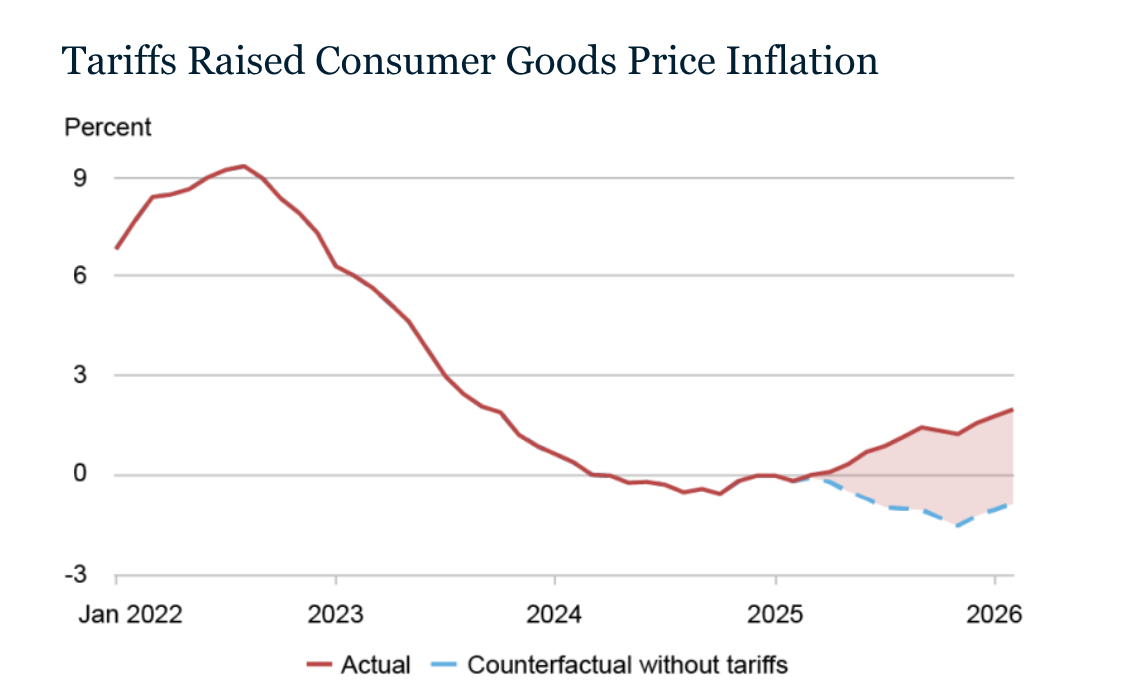
Trump's tariffs account for the entire increase in the cost of consumer goods, according to a study by the New York Fed. It said "about a quarter of a tariff increase is passed through to consumer goods prices." Moreover, the study said, tariffs raised the price of imports as well as goods made in America. Another factor is September's price spike was "soaring costs associated with the boom in artificial intelligence investment," the Times added.
The president's deportation agenda is also pushing prices up.
According to a new report by the ACLU and AFL-CIO, the cost of labor-intensive goods and services that rely on immigrant workers have risen faster than the rate of inflation.
"Lettuce rose nearly 32 percent, landscaping services rose 10.8 percent, home healthcare rose 10.7 percent, whole milk rose 9 percent, and canned fruit rose 7.9 percent," it said, adding ICE raids on construction sites caused an "18 percent increase in new home prices."
Meanwhile, Fannie Mae expects higher home mortgage rates through the end of the year "and into 2027," reported CNBC's Carl Quintanilla this morning. The government's mortgage lender anticipates a "30-year fixed at 7.4 percent for Q4 and 7.5 percent for all of next year."
Put these factors together – illegal war, illegal taxes and illegal deportations – and the "gamechanger ... on Americans' finances," according to Heather Long, has been the near-total wipeout of wage gains since the day of Donald Trump's return to the White House.
"Since January 2025," the economist wrote on Twitter, "inflation has grown plus-5.4 percent. Wages (average hourly earnings) [have grown] plus-5.5 percent. This is a very different picture from President Trump's first term when wages were up over 15 percent, well above about 8 percent inflation. It helps explain the frustration many households feel right now."
The Times: "Average hourly earnings are now back to almost exactly where they were when President Trump was sworn into office for the second time, meaning that, on average, Americans have experienced zero wage growth, in real terms, since he returned."
The news spooked investors into a sell-off in anticipation of rising interest rates. (A Fed governor told Reuters Tuesday she expects rates to go up at least one more time this year, adding to fears of a recession.) Democrats are reacting to all this the way they should.
"Trump’s failed economic agenda has raised prices for Americans by 5.9 percent," Elizabeth Warren said. "That means families are paying $3,772 more thanks to inflation under Trump."
"Inflation is up again,” Pete Buttigieg said. “Not because of a pandemic. Not because of a natural disaster. Because of Trump’s war, tariffs, and corporate tax breaks. It really is this simple: Republicans took over, and then drove up the cost of living in America.”
That's fine, but I would rather hear something like this:
Bidenomics was working.
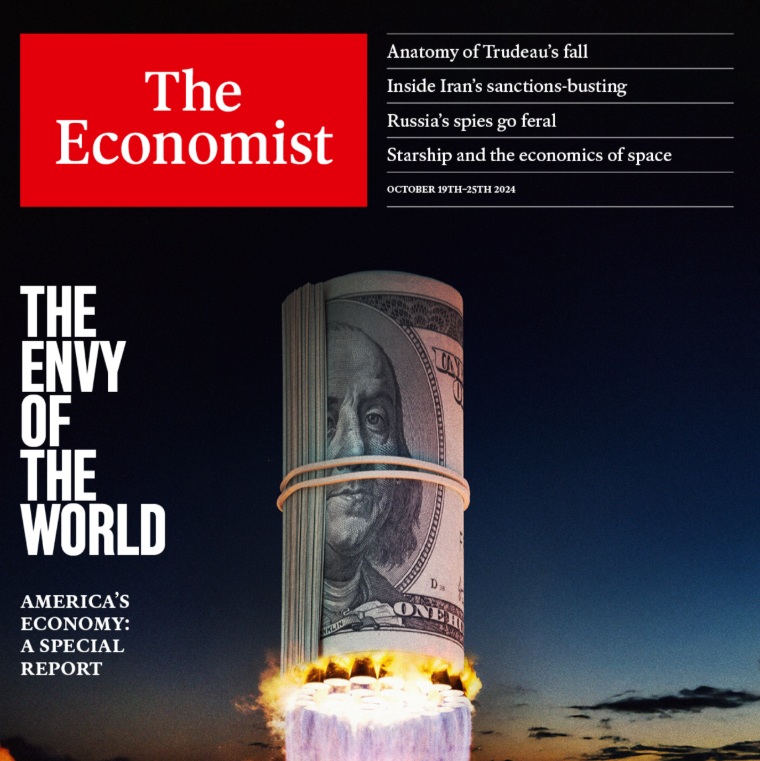
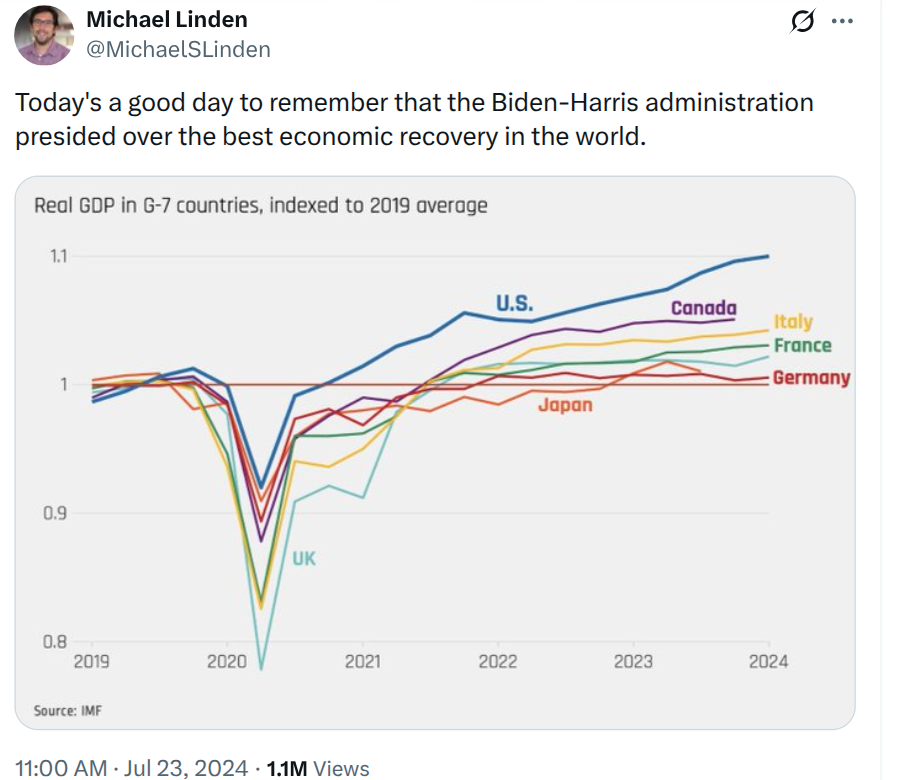
The central tenet of the economic agenda named after Joe Biden is growing the economy "from the middle out and the bottom up." It was an explicit rebuke of "trickle-down economics," which had prevailed since the 1980s. Bidenomics made public investments, strengthened unions, and encouraged competition. It poured trillions into the economy to counteract the effects of the pandemic. The result was record wages and growth, record unemployment and falling rates of inflation. The Economist called it "the envy of the world."
The former president's accomplishment cannot be overstated. As David Lurie wrote, in December 2023, Biden has "been one of the most successful Democratic presidents since Franklin Delano Roosevelt, both at home and abroad, having shepherded the nation through the end of the pandemic, initiated historic changes in industrial and climate policy, and led a coalition of Western nations against the most dangerous threat to democracy in decades."
The problem, as Lurie says, was popularity. Bidenomics never had it. Inflation persisted throughout his presidency, eroding Biden's approval. By the end, he was among the most unpopular presidents ever. Any chance of turning that around would have required another four years during which the seeds he had planted in the first term might have bloomed in his second. That never happened, of course, so Bidenomics was put away with its namesake.
But Bidenomics was working. That can be seen in the dotted blue line in the above graph published by the Federal Reserve Bank of New York. It shows what consumer prices would have been had things been left alone. I'm no economist, but that suggests other trends would have continued, too: high wages and high growth, low unemployment, falling inflation, not to mention the transformation of the economy to running on renewable energy instead of oil.
The affordability crisis didn't begin with illegal war, illegal taxes and illegal deportations.
Those came later.
It began when Trump came back – when Bidenomics ended.
Democrats are quick to blame Trump, slow to praise Biden. I wish they would get over themselves. Not only do Americans have short memories, but the current crisis is going to scramble people's brains such that whatever obstacles there are in bringing Biden back into the conversation won't be there long. A poll taken in February, before the war, found Americans already decided Biden was a better president than Trump. Imagine how receptive they might be to a revival of Bidenomics after experiencing the pain of the next two years.